
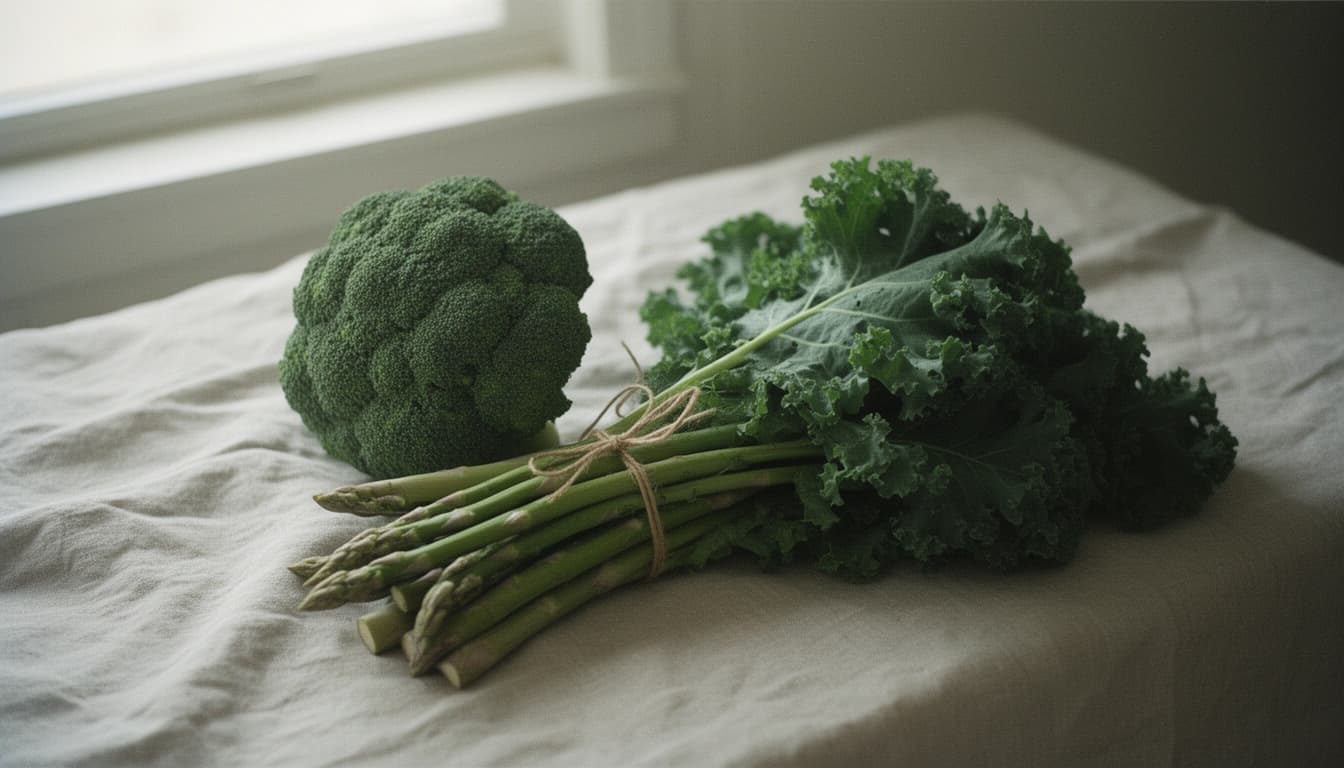
3 Vegetables Worth Prioritising for Abdominal Fat
You cannot target fat loss to one area of the body. What you can do is address the insulin resistance that makes visceral fat accumulate, and three vegetables are unusually good at it.
6 min read
Live a Greater Life reviews supplements and nutrition claims the slow way: we trace each claim back to the research behind it, say plainly when the evidence is thin, and show our scoring so you can disagree with it.

Practical, sourced guides on nutrition, metabolic health and everyday wellbeing.

You cannot target fat loss to one area of the body. What you can do is address the insulin resistance that makes visceral fat accumulate, and three vegetables are unusually good at it.
6 min read

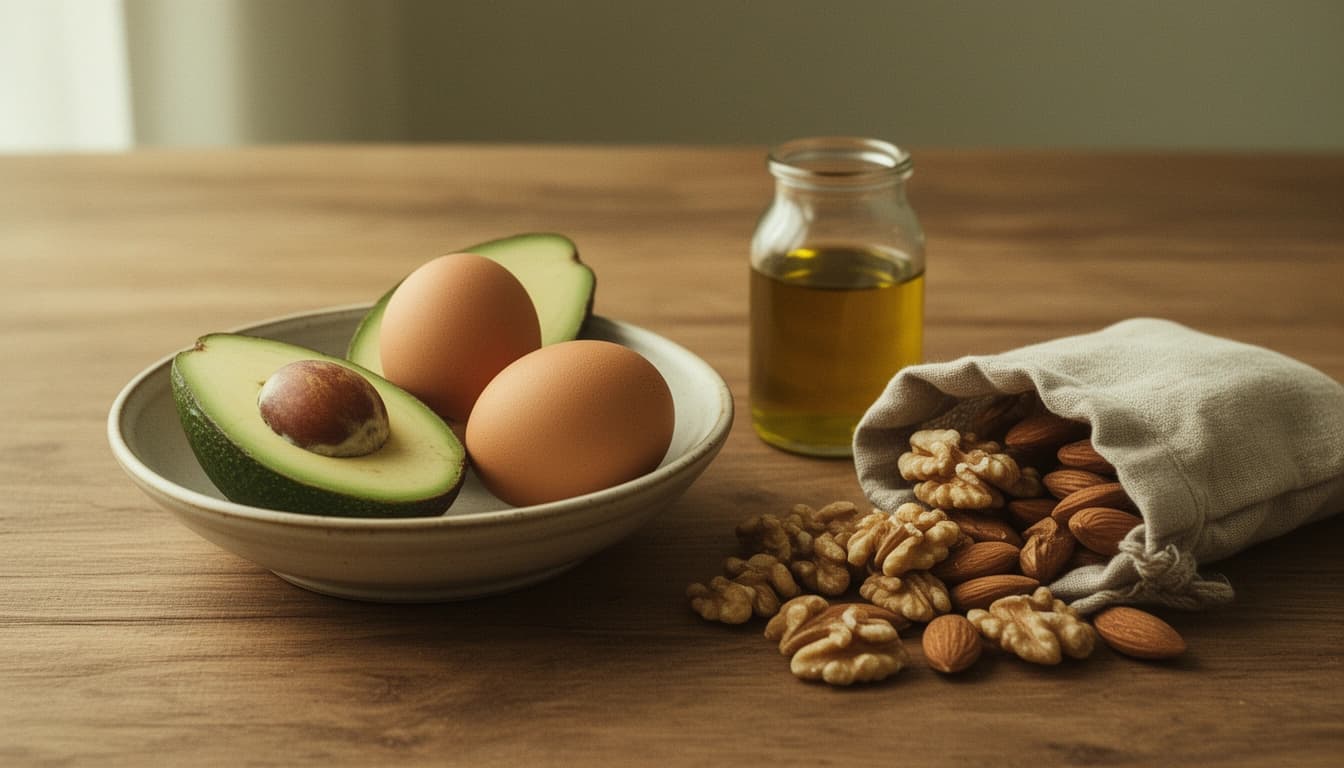
Fat does not make you fat, but the reason is satiety and food quality, not a metabolic loophole. Here are seven high-fat foods that make eating less feel easier, and the honest version of why they work.
6 min read

Diet will not scrub plaque out of an artery. What it can do is change the conditions that let plaque build in the first place, and for six low-carb foods, the evidence for that is unusually good.
7 min read
Every review states the offer we are compensated on, the evidence we could find, and where it runs out.
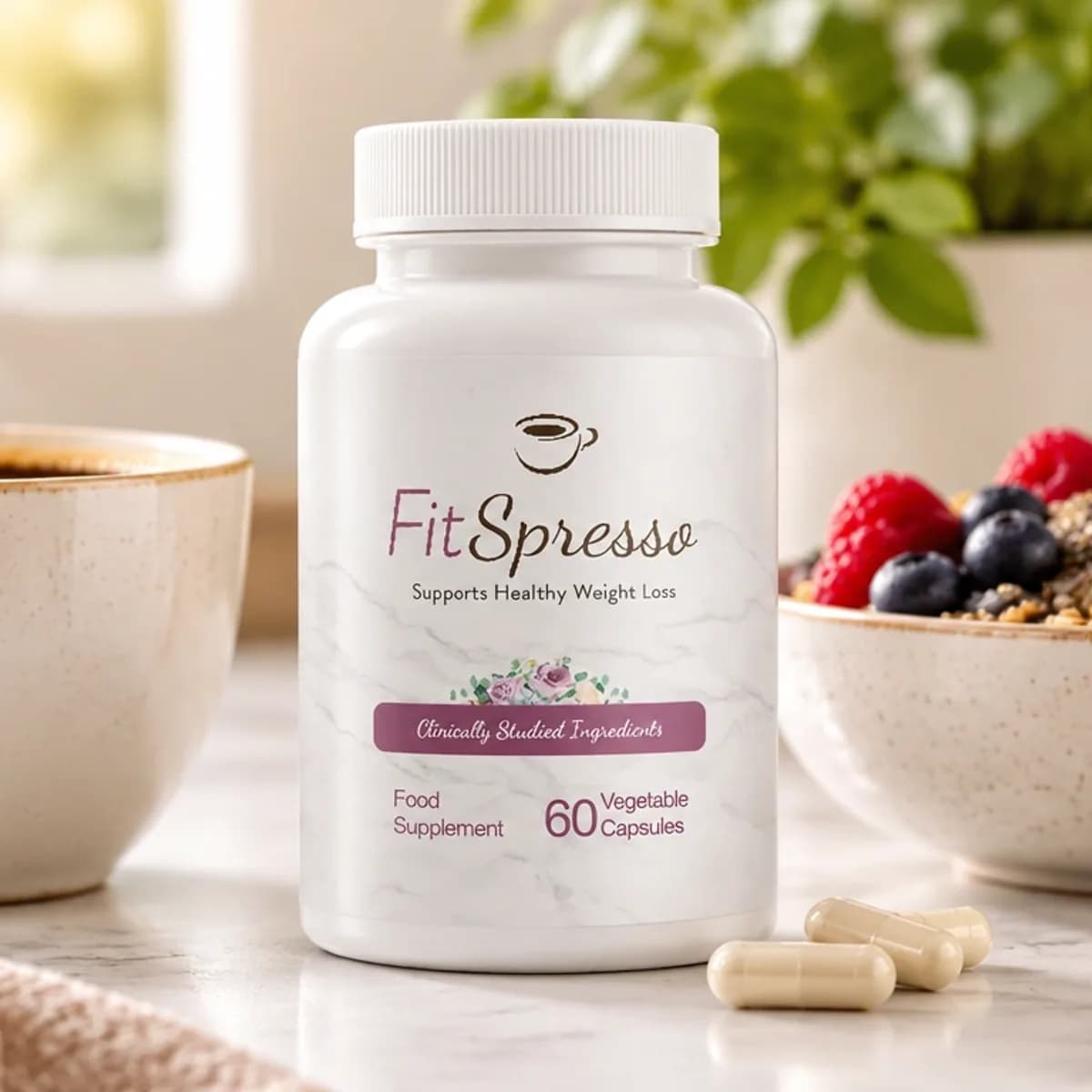
Six real ingredients with small, real effects, sold on a mechanism that does not exist. Chromium and L-carnitine each come in at roughly a kilogram of weight loss in meta-analysis, and no dose is published for either. We also no longer have any way to link to it: Fitspresso has left every affiliate programme we work with. It is still sold on its own site, we simply have no part in that, and nothing to gain from your clicking through.
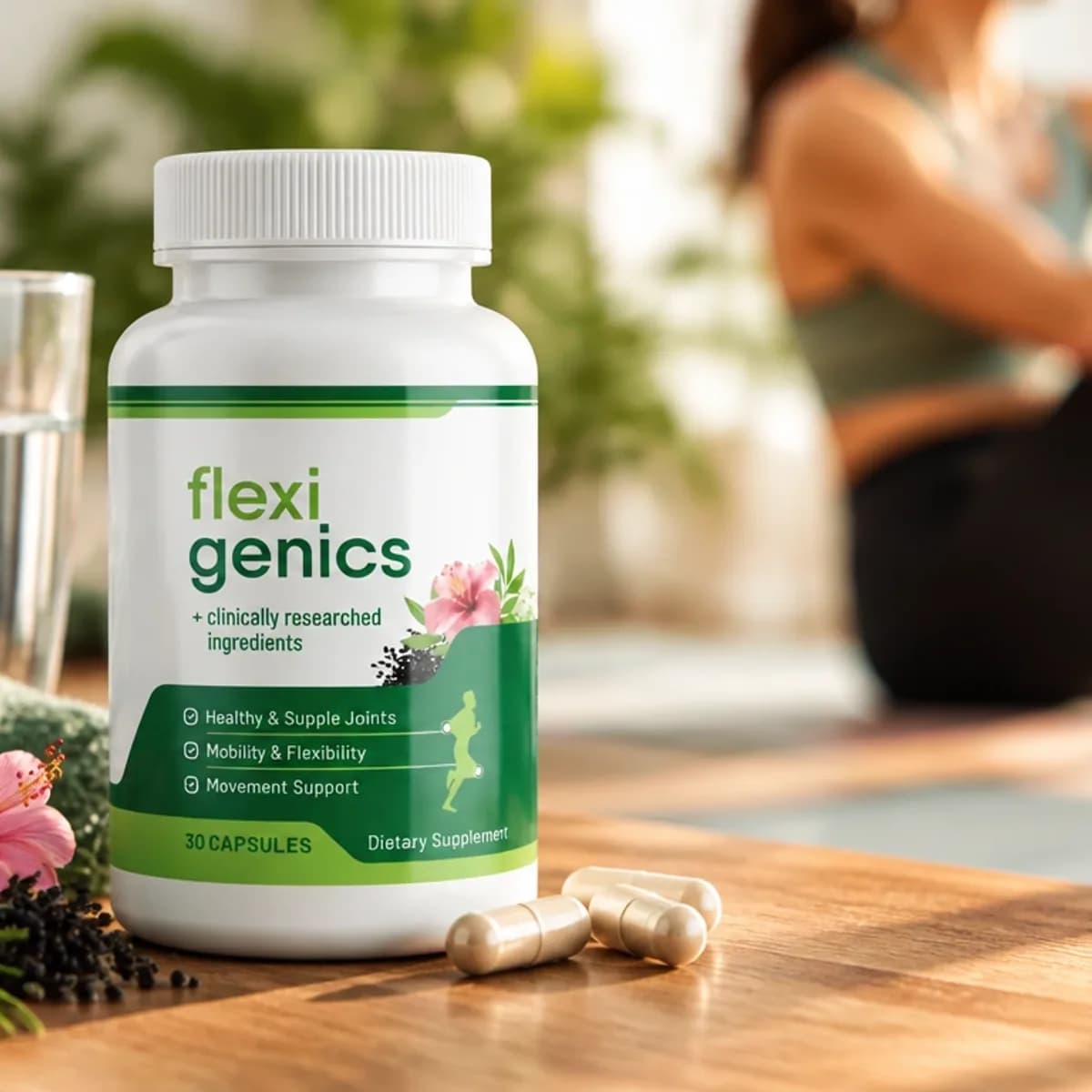
Most joint supplements are a glucosamine and chondroitin rehash, and the large independent trials on those were disappointing. This one bets on palmitoylethanolamide instead, names the micronized form, and pairs it with luteolin in a way that mirrors a genuinely studied combination. That is the best ingredient thinking in this category on our shelf. It is then hidden behind a single proprietary blend covering seven ingredients, and since PEA's whole case rests on hitting 600 to 1,200mg a day, an undisclosed dose makes the product unassessable on the one thing that matters.
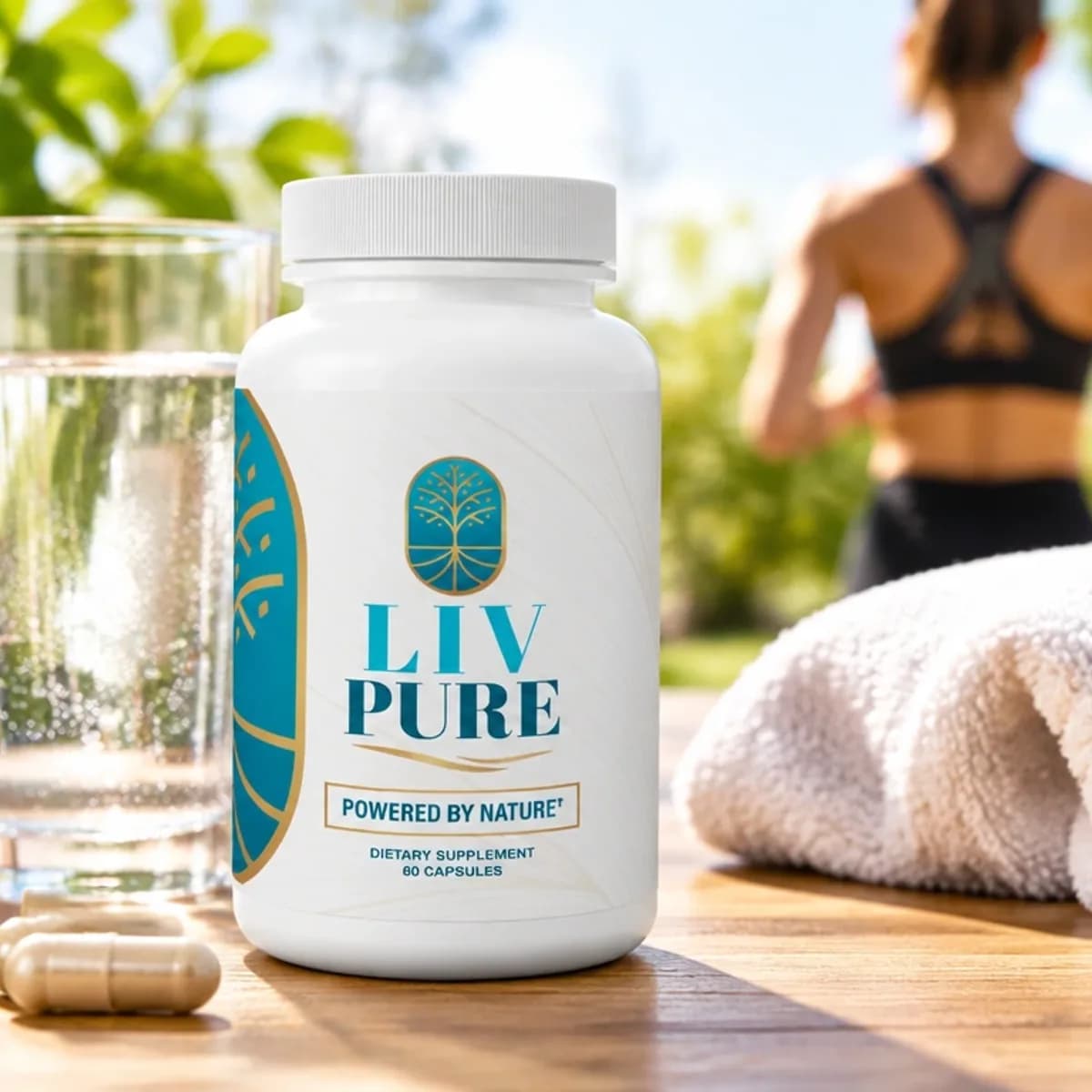
The premise is better than this category usually manages: liver fat genuinely does drive metabolic dysfunction, and berberine, choline and betaine are defensible things to point at it. The format defeats it. Berberine alone is studied at 1,000 to 1,500mg a day and choline's adequate intake is 425 to 550mg, and this is one capsule holding ten ingredients behind two proprietary blends. Good thinking, wrong vehicle.
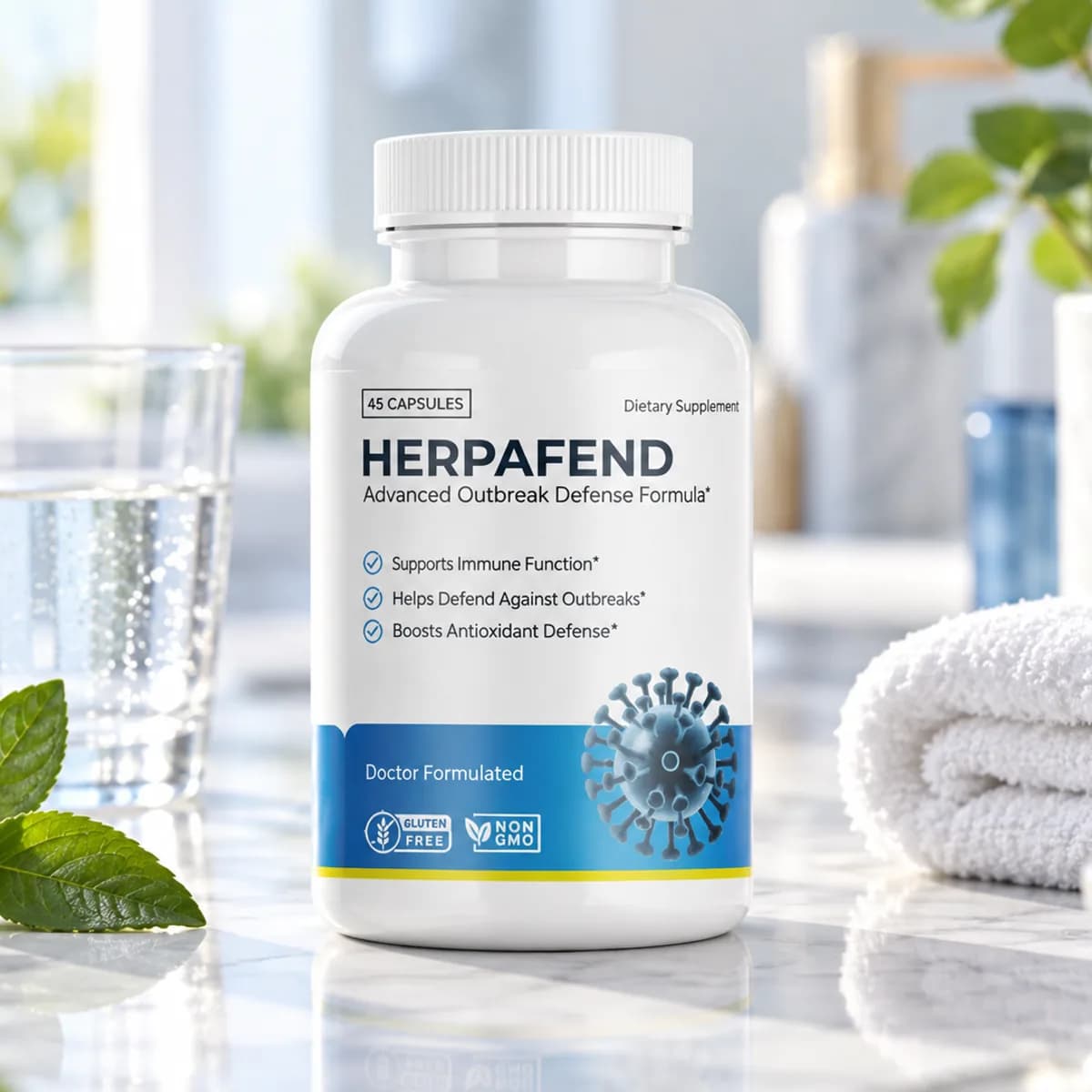
The formula is unremarkable: L-lysine, which has mixed but real recurrence evidence, plus vitamin C, D3, E, B6, zinc, echinacea and elderberry, none of them dosed anywhere we can find. What is remarkable is the video selling it, which tells people with a lifelong viral infection that it can be eliminated for good, dismisses the three antivirals that actually reduce transmission by name, and builds the whole pitch on a protective bioshield that does not exist in the literature. We score products rather than advertising, but the advertising here is the part that can do harm.
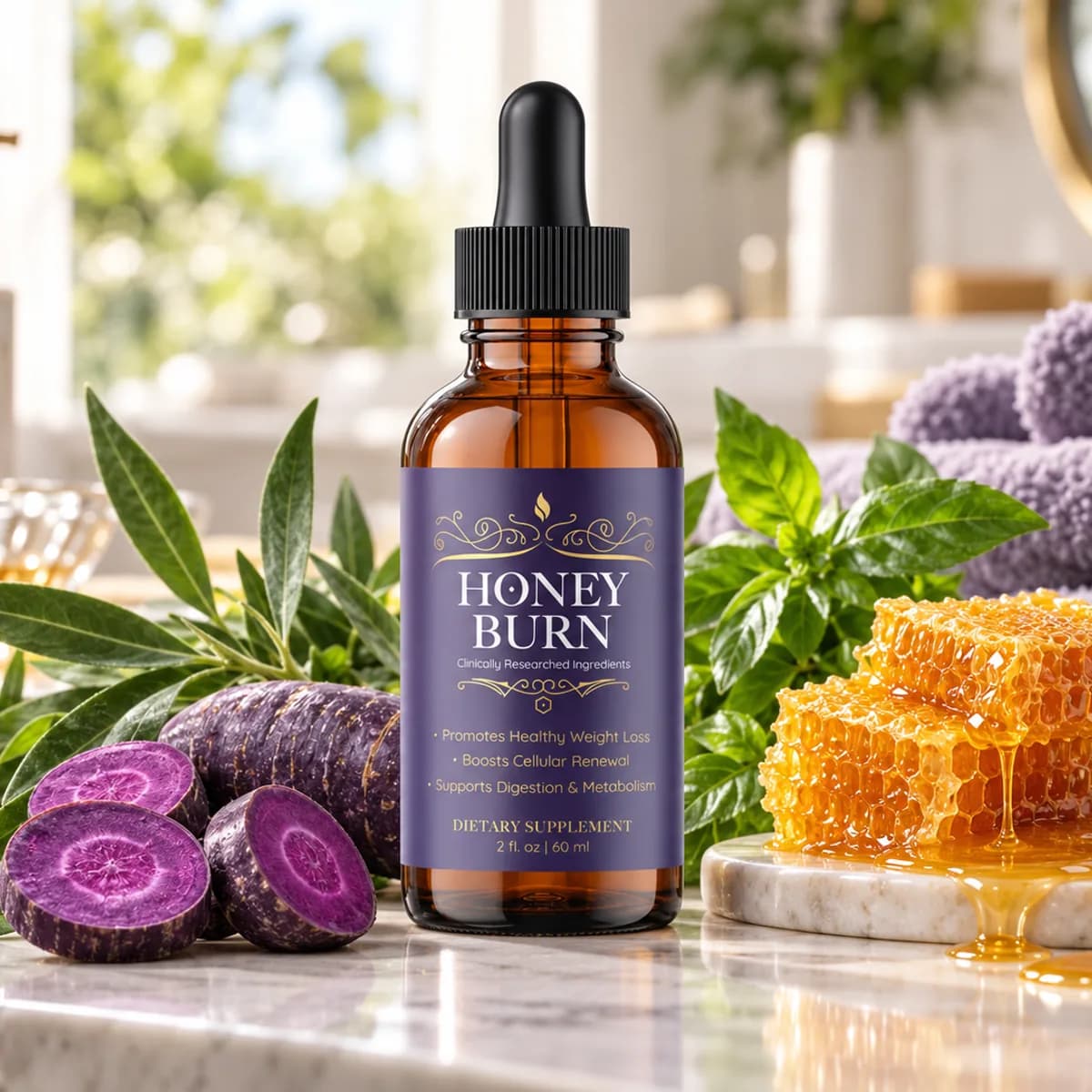
Berberine is the reason to look at this and it is listed second, under the bee products the brand is named for. Alongside it sits raspberry ketone, which is the clearest example in this whole category of an ingredient that survives on a viral television segment rather than on evidence. Buying berberine at a known dose is cheaper and more measurable.
Where a product makes a specific claim, we look for the study behind it and link it. When we cannot find one, we say so rather than repeating the marketing.
We earn a commission on some links. That is disclosed on every page that carries one, before the recommendation rather than after it.
Each review breaks its score into evidence quality, formulation, value and transparency, so you can weight them differently than we did.